Why Preventive Dental Services Matter for a Lifetime of Healthy Smiles
Preventive oral health services are essential in sustaining oral wellness throughout life. Periodic dental visits and professional cleanings can identify potential issues before they worsen. Such a preventive strategy not only protects tooth structure but also promotes overall well-being. Additionally, proper oral hygiene practices and a balanced diet are foundational elements of preventive care. Understanding the breadth of these services might highlight notable rewards that a great number of people miss. Which factors that contribute to this essential aspect of health?
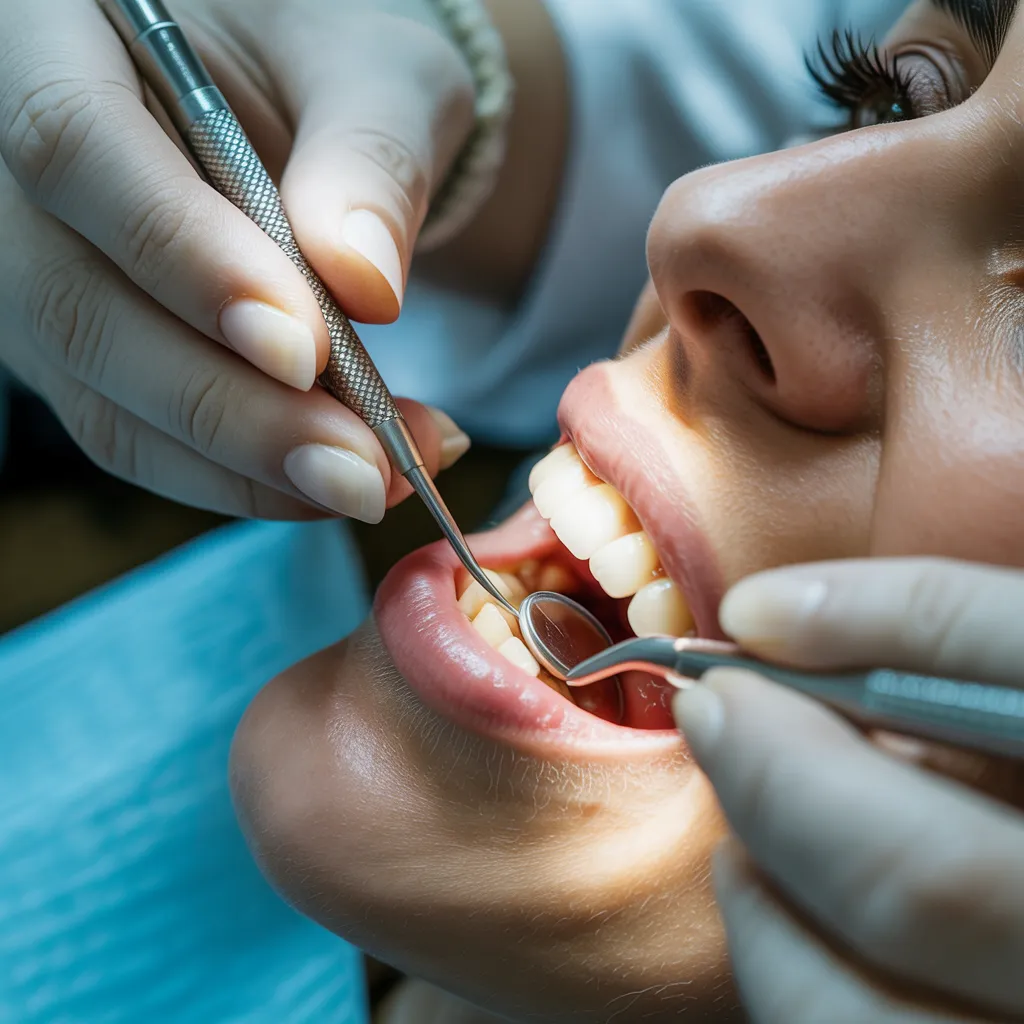
Recognizing the Significance of Preventive Dental Care
In addition, preventive dental care supports overall well-being, as oral wellness is deeply associated with broader health conditions. Keeping teeth and gums in good condition affects factors like nutrition, self-esteem, and even cardiovascular health. Education about proper oral hygiene practices also empowers individuals to take charge of their dental health. Essentially, committing to preventive dental care creates a lasting foundation for healthy smiles throughout life, encouraging benefits for both physical health and emotional confidence.
Key Types of Preventive Dental Services to Consider
Though numerous individuals often underestimate the significance of preventive oral health treatments, these crucial procedures play a critical role in preserving oral wellness. Key types of preventive dental services include regular dental check-ups, thorough professional teeth cleanings, and fluoride treatments.
Routine dental visits allow dental professionals to catch potential concerns early on, such as cavities or periodontal conditions. Professional cleanings, typically performed every six months, remove plaque and tartar buildup, which can develop into more significant health problems when left without treatment.
Fluoride applications reinforce tooth enamel, providing an additional layer of protection against decay. Sealants, another preventive measure, are applied to the chewing surfaces of molars to protect them from harmful bacteria and food debris.
In addition, patient instruction on appropriate oral hygiene techniques is fundamental. By understanding the importance of these services, individuals can take proactive steps toward achieving lifelong smiles and ideal oral health.
How Preventive Care Helps You Save Money Over Time
Investing in proactive oral care can significantly reduce overall expenses associated with maintaining healthy teeth and gums. Periodic check-ups, cleanings, and dental screenings work to preserve optimal oral health, mitigating the likelihood of significant problems that require high-cost procedures. By treating small issues before they escalate, patients can avoid costly procedures such as root canals, crowns, or even tooth extractions.
In addition, routine preventive care can contribute to lower insurance costs in the long term, as maintaining good oral health typically results in fewer claims. People also gain from a decreased necessity for restorative dental work, which can place a significant financial strain on patients. Furthermore, healthy teeth and gums contribute to overall well-being, perhaps lowering medical costs tied to systemic issues stemming from inadequate oral hygiene. At the end of the day, making preventive dental care a priority not only protects your smile but also generates considerable savings over time.
Identifying Problems Early Through Preventive Care
Periodic dental examinations play an essential role in detecting problems early before they develop into serious conditions. Early detection of cavities and preventive steps to combat gum disease can greatly improve lasting dental wellness. By emphasizing preventive care, patients can preserve their dental health and minimize the necessity of more extensive treatments.
Regular Check-Up Importance
Regular dental visits are vital for preserving oral health, as they facilitate the prompt recognition of developing problems. Such frequent appointments enable dental experts to evaluate the state of teeth and gums, identifying problems before they escalate. By monitoring oral health closely, oral health specialists can offer immediate care, helping patients avoid more complex and expensive procedures down the line. Moreover, these sessions frequently feature comprehensive professional cleanings, eliminating plaque and tartar deposits that everyday brushing can overlook. Individuals also benefit from expert advice on correct oral hygiene routines, contributing to better overall health. Fundamentally, consistent check-ups foster a proactive approach to dental care, supporting lasting healthy smiles and minimizing the risk of serious dental issues.
Early Cavity Detection
Detecting cavities early can considerably affect the success of preventive oral care. When cavities are identified in their earliest stages, timely measures can be taken, often eliminating the requirement for more extensive procedures. Regular dental check-ups, complemented with advanced diagnostic tools such as digital X-rays and laser technology, facilitate early detection. This preventive method not only preserves tooth structure but also reduces long-term costs and time for patients. In addition, timely identification promotes a heightened understanding of dental hygiene habits, motivating people to copyright their oral health. By focusing on identifying cavities early, both dental professionals and patients can collaborate to build healthier smiles and reduce the prevalence of dental issues over time.
Preventing Gum Disease
Preventing gum disease requires vigilance and proactive care. Regular dental check-ups play an essential role in early detection, giving dental specialists the opportunity to detect early warning signs including swelling or plaque deposits. Such appointments facilitate prompt treatment, helping to avert more serious issues such as periodontitis. Consistent oral hygiene habits, such as brushing and flossing, support professional dental care by eliminating food debris and plaque that may contribute to gum problems. Furthermore, individuals should be informed about the risk factors connected to gum disease, including smoking and diabetes, enabling them to make well-informed decisions about their health. By prioritizing preventive dental services, individuals can maintain healthy gums, reducing the risk of complications and ensuring a lifetime of smiles. Taking prompt steps is essential to protecting long-term oral health.
Everyday Routines for Superior Oral Health
Preserving excellent oral health demands steady everyday routines. Effective brushing practices, regular flossing, and nutritious food selections play essential roles in preventing dental issues. By integrating these practices into a daily routine, people can significantly improve their general oral well-being.
Proper Brushing Practices
Brushing teeth consistently is vital for maintaining ideal oral health. Effective brushing techniques contribute greatly to the elimination of plaque and protection against cavities. Dental professionals advise using a soft-bristled brush along with fluoride toothpaste. The brush should be positioned at a 45-degree angle to the gums, ensuring the bristles access both the teeth and the gums. Every brushing session ought to be at least two minutes long, ensuring all surfaces—front, back, and chewing surfaces—are adequately cleaned. Brushing at least two times per day is recommended, ideally in the morning and before bedtime. Replacing your toothbrush every three to four months is equally important, as worn bristles are less effective. Committing to these habits builds a cornerstone for long-term dental wellness.
Why Flossing Matters
While brushing is essential for oral hygiene, flossing serves an equally significant role in preserving optimal dental health. Flossing successfully clears food particles and plaque buildup from between teeth, spaces that toothbrushes commonly overlook. This practice helps prevent gum disease and cavities, promoting comprehensive oral wellness. Routine flossing further supports healthier gums by decreasing inflammation and bleeding. Numerous dental experts suggest including flossing in daily habits, preferably before brushing, to optimize results. Moreover, applying the right technique guarantees that the floss reaches beneath the gumline without causing injury. By prioritizing this simple yet essential habit, individuals can markedly enhance their dental care, resulting in enduring smiles and fewer dental problems down the road.
Wholesome Eating Habits
Even though consistent dental care is vital, nutritious food selections significantly support optimal oral health. A nutritious diet filled with fruits, vegetables, whole grains, and lean proteins delivers the vital nutrients required for strong teeth and gums. Foods high in calcium, such as dairy products and leafy greens, help strengthen enamel, while vitamin C-rich foods support gum health. However, overconsumption of sugar and acidic foods can cause tooth decay and enamel damage. Proper hydration, mainly through drinking water, promotes saliva production, which is essential for counteracting acids and clearing away food particles. By making informed dietary choices, individuals can greatly enhance their oral health, reducing the risk of dental issues and fostering a lifetime of healthy smiles.
How Often Should You Schedule Preventive Dental Visits?
How often should individuals schedule routine dental appointments to ensure ideal oral health? Most dental professionals recommend that adults and children see a dentist at least two times per year. Such semi-annual check-ups enable detailed cleanings and early detection of potential issues, such as cavities or gum disease. However, specific circumstances may necessitate additional appointments. People with certain dental concerns, a history of periodontal disease, or those who wear braces may gain advantages from visits every three months. Additionally, age and lifestyle choices, such as tobacco use or excessive sugar consumption, can impact the number of dental visits needed. Ultimately, developing an individualized dental routine with a dentist confirms that people maintain optimal oral health throughout their lives. Routine preventive check-ups not only strengthen dental health but also build lasting connections between clients and their oral health professionals, promoting overall well-being.
Frequently Asked Questions
Are Preventive Dental Care Benefits Available for Children Too?
Certainly, children are able to access preventive oral care benefits. Such services often include routine check-ups, cleanings, and fluoride applications, which are important for promoting oral health and reducing future dental complications in young patients.
What to Expect During a Preventive Dental Visit?
At a routine dental appointment, patients can expect a detailed assessment, a complete dental cleaning, and guidance regarding proper oral care habits. X-rays may be taken if necessary, delivering a thorough review of dental wellness and possible problems.
Are Preventive Services Covered by Dental Insurance Plans?
A large number of dental insurance policies include coverage for preventive services, including regular check-ups, teeth cleanings, and X-rays. However, plan details may change by policy, making it essential for individuals to review their specific policy to become familiar with what is covered.
How Do I Select the Best Dentist for Preventive Care?
Finding the read guide right dentist for preventive care requires looking into professional credentials, evaluating patient testimonials, examining the dental office setting, and familiarizing yourself with treatment methods. Direct recommendations and in-person consultations can also help in discovering a care provider who addresses personal needs successfully.
What Happens When You Skip Preventive Dental Appointments?
Avoiding routine dental visits heightens the potential for tooth decay, gum disease, and various oral health conditions. This neglect can result in more invasive treatments, elevated costs, and potential chronic damage to one's general health and quality of life.